The Five Words Every Ministry Website Needs on Its Homepage
Eight seconds.
That is the average amount of time a first-time visitor spends on a ministry website (or any other) before deciding whether to stay or leave.
Eight seconds?! That is not enough time to read your statement of faith. There is not enough time to watch your welcome video. It is barely enough time to absorb a single well-crafted headline.
Woodworks Communications. See? We have one, too.
And yet, most ministry website homepages are built as if visitors arrive with a cup of coffee, forty-five minutes, and a sincere desire to read every word on every page. They don't.
They arrive with a question — usually one of three: Who are you? Can you help me? What do I do next? — and if your homepage doesn't answer those questions immediately, they are already gone.
This post is about five words. Not five paragraphs. Not five sections. Five words your ministry website homepage must communicate within that first eight seconds — or every dollar you've spent on your site is quietly working against you.
The Five Words (And What They're Really Asking)

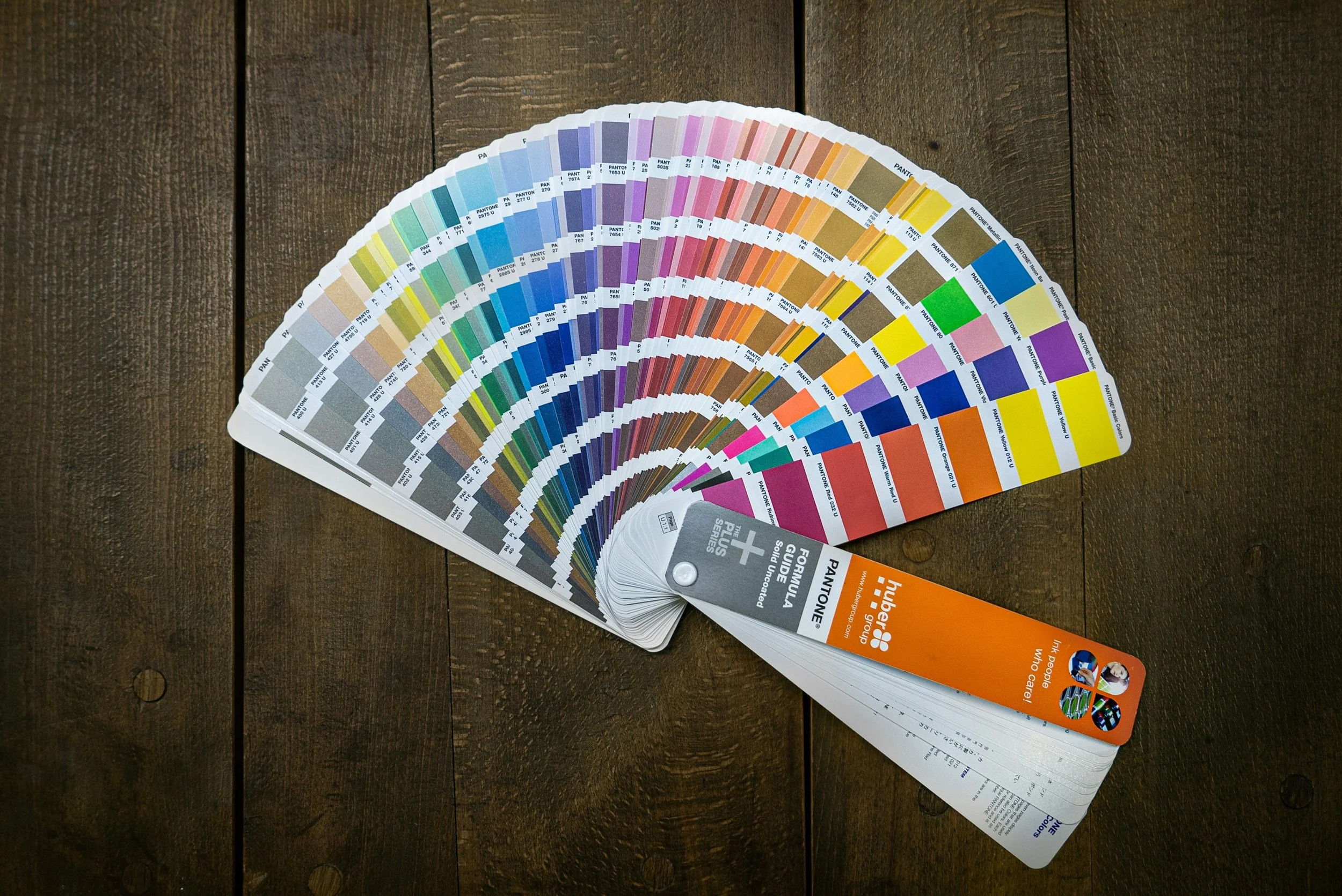
The five words each ministry website needs may be in here. (Image Credit: Andreas Fickl via Unsplash)
Think of these less as literal words and more as the five questions your homepage must answer the moment someone arrives. Are these five words represented on our church or ministry website?
Who
Who are you? Your church name and identity should be unmistakable within two seconds of landing on your page. A logo buried in a corner and a generic stock photo of a crowd does not answer this question. A clear, specific headline does. "Fort Worth's church for people who've given up on church" answers who in nine words. "Welcome to our website" answers nothing.
What
What do you do? Your ministry website homepage needs to state your purpose in plain language. Not theological language. Not insider language. Plain, human language that a person who has never set foot in a church can understand in one read.
Why
Is this for me? This is the most overlooked element in church website design. Every ministry serves someone specifically — a neighborhood, a life stage, a language, a need. Say that out loud on your homepage. The visitors who feel seen will stay. The ones who aren't your audience will self-select out, which is also a win.
When
Why should I care today? Urgency is not manipulation. It is clarity. A service time, an upcoming event, a community need — something on your ministry website homepage should signal that something is happening right now and there is a reason to engage today.
Where
Where do I go now? This is the one that kills most church homepage content dead in its tracks. There is no clear, singular call to action. Instead, there are eleven options in the navigation menu, three buttons in the hero section, and a pop-up asking for an email address before the page has finished loading. Pick one next step. Put it in one button. Make it impossible to miss.
Why This Matters More Than Your Color Palette
You’ll get to this later. Work on the content now. (Image Credit: Mika Baumeister via Unsplash)
Your church could have the most beautiful website in your denomination — and if it doesn't answer those five questions, it is a very expensive brochure that nobody reads.
Google's research on page experience is clear: clarity and speed are ranking signals. A ministry website homepage that is clear and fast will always outperform one that is beautiful and slow.
The good news? Faith-based web copy that answers these five questions doesn't require a redesign. It requires a rewrite. And that is exactly what Woodworks Communications does best.
Start by reading Your Donor Email Isn't Working. Here's Why. — because the same clarity principles that fix your email will fix your homepage too.