The Sunday Sermon is Already a Content Strategy
Here is a number that should keep your communications team up at night.
The average pastor invests between 10 and 20 hours preparing a single Sunday sermon. That's 10 to 20 hours of research, prayer, storytelling, illustration-hunting, scriptural cross-referencing, and careful crafting of a message designed to change lives.
It goes out on Sunday morning to everyone in the room — and by Monday, most of it is gone. Poof. Into the ether. Maybe a few people quote it at lunch. Maybe it shows up in a Facebook post from that one deacon who types in all caps.
And then next week, you do it all over again.
Here is the thing nobody in your church has said out loud yet: that Sunday sermon is already a content strategy. You just haven't built the pipeline to prove it.
This is the single biggest missed opportunity in church content marketing today — and fixing it doesn't require a new hire, a bigger budget, or a seminary degree in digital media. It requires a framework. And this is it.
One Sunday Sermon Is One Month of Content
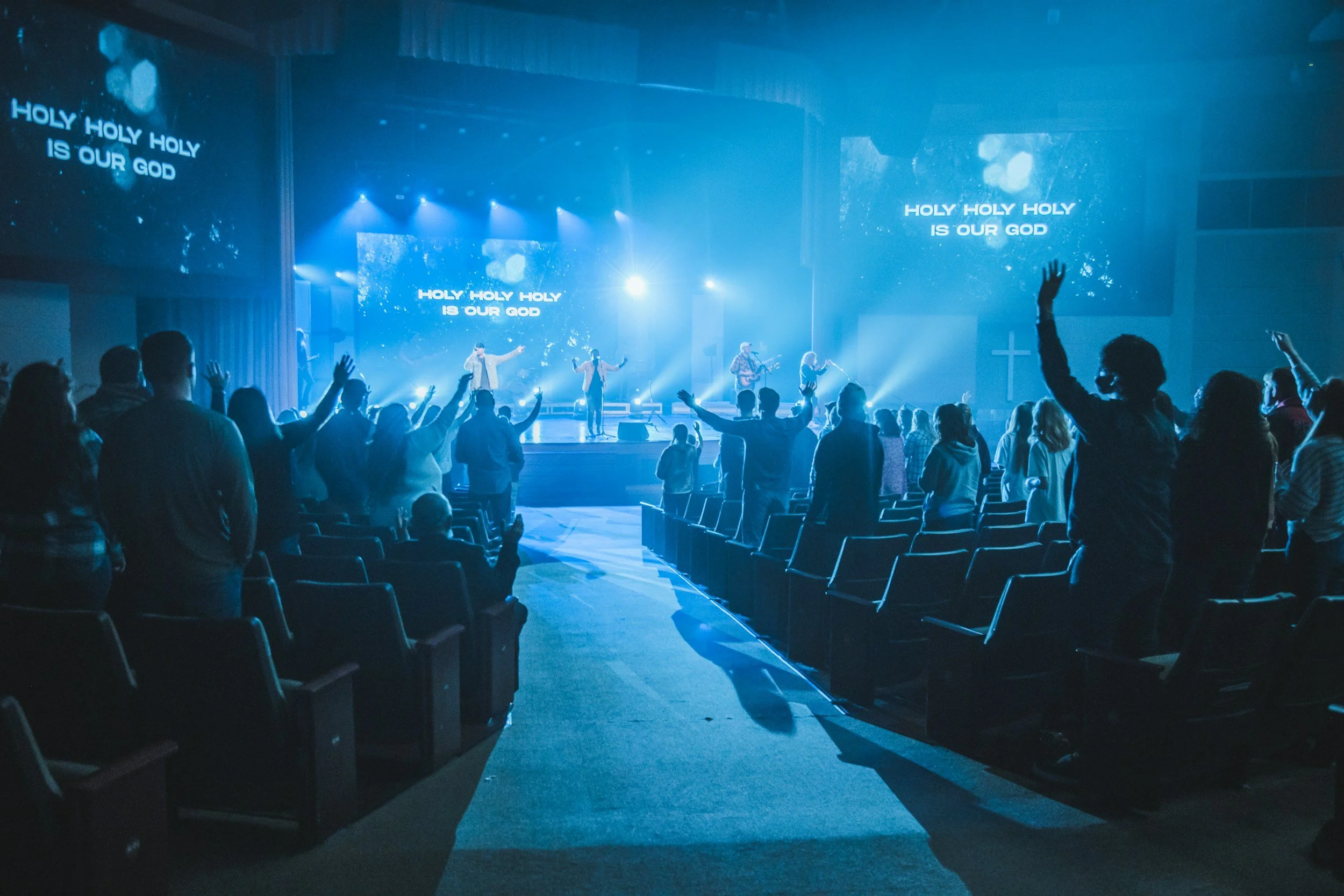
Pastors need to pay attention to their own Sunday sermons. That’s content for the entire month. (Image Credit: @TerrenHurst via Unsplash)
Every Sunday sermon your pastor preaches contains at least five distinct pieces of reusable content. Every single one.
There's a blog post buried in the central thesis. There's a social media quote graphic in that one line that made three people in the third row reach for their phones. There's a short-form video clip in the illustration — the story about the prodigal son, the hospital waiting room, the moment on the highway. There's an email devotional in the application points. And there's a discussion guide for your small groups in the questions you raised but didn't fully answer.
That's five pieces of content from one message. Twenty hours of preparation, multiplied across five platforms, reaching people who weren't in the room on Sunday. That is what sermon content strategy looks like when it's working.
The mechanics are simple. Someone — a volunteer, a communications coordinator, a gifted note-taker in your congregation — listens to the Sunday sermon with a content lens. They're not just absorbing the message. They're mining it. What's the one-sentence takeaway? What's the most quotable line? What story could stand alone as a 60-second video? What question does this message answer that someone might actually type into Google?
Answer those four questions every week, and your ministry's social media calendar practically writes itself.
Why This Matters More Than You Think

And here’s your sign. (Image Credit: Anwaar Ali via Unsplash)
The people you most want to reach aren't sitting in your sanctuary on Sunday morning. They're sleeping in. They're working. They're estranged from church and scrolling Instagram looking for something real. Your sermon, repurposed strategically, can find them where they are — which is exactly what faith-based content is supposed to do.
Google's research on how people discover churches is unambiguous: digital touchpoints now precede nearly every in-person visit. Your content is your first impression.
Pastors, the Sunday sermon is your best content. Connect those two facts, and you have a church content marketing engine that runs every week, powered by work already being produced.
The Woodshed exists to help faith-based organizations build exactly that kind of pipeline. If you're ready to stop leaving your best content on the Sunday morning floor, let's talk about what that looks like for your ministry.